Word list
This list explains what the bold words in this document mean.
|

|
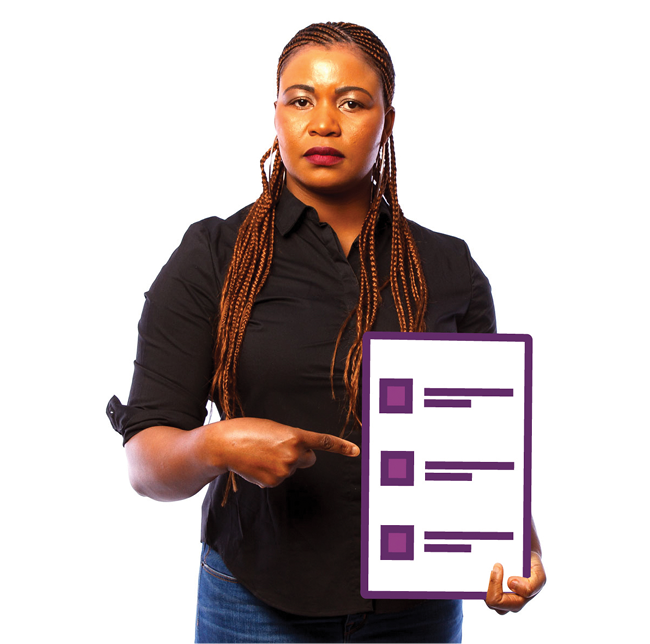
Advocate
An advocate
is someone who can:
- support you
- help you have your say
- give
you information and advice.
|
|
|
Code of Conduct
A Code of Conduct is a list of rules about how everyone should behave.
|
|
|
Behaviour support plan
A behaviour support plan explains how other people should support you to live your best life.
It helps people understand your behaviour.
|
|
|
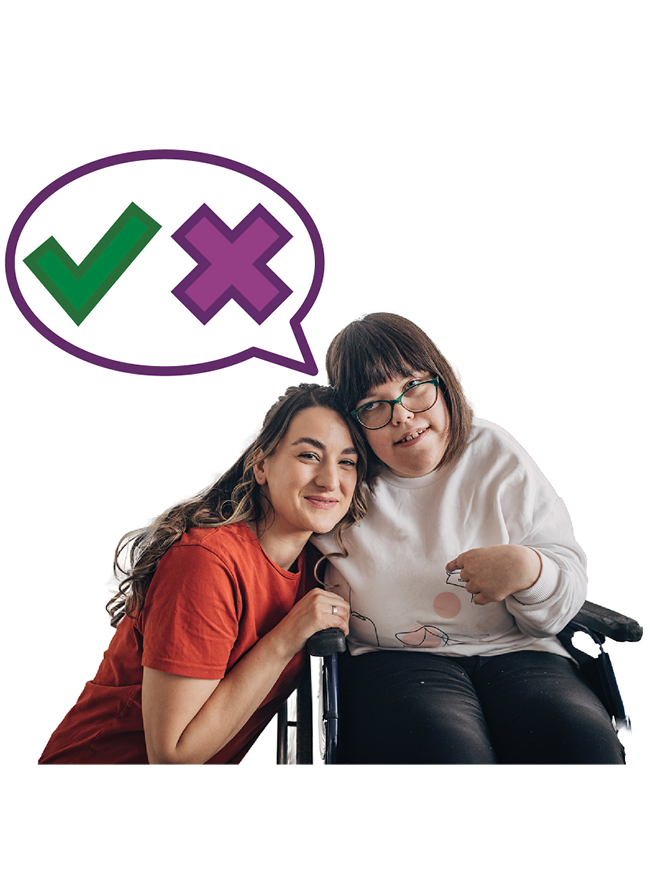
Guardian
A guardian
is a person who acts and makes decisions for you.
Your guardian might be:
- a member of your family
- a friend
- chosen for you by the government.
|
|
|
NDIS plan
Your
NDIS plan has information about:
- you and your goals
- what supports you need
- what the NDIS will pay for.
|
|

|
Participant
Participants are people with disability who take part in the NDIS.
|
|

|
Provider
Providers support participants by delivering a service.
|
|

|
Registered
When a
provider is registered it means we have checked they can deliver a certain type of support.
This helps to make sure they provide good and safe services.
|
|
|
Restrictive practices
Restrictive practices are actions that stop people from:
- moving
- doing what they want.
|
|
|
Rights
Rights
are ideas about how everyone must treat you:
|
|

|
Specialist disability accomodation (SDA)
SDA
is housing for people with disability who need extra support most of the time.
|
|

|
Supported independent living (SIL)
SIL is
help with daily tasks around your home so you can:
- do things for yourself
- learn new skills.
|
|
|
Self-manage
If you self-manage your NDIS plan, you:
- manage all or part of your funding
- choose what supports you use to reach your goals.
|
|
|
Worker Screening Check
A Worker Screening Check makes sure workers are safe to support people with disability.
|